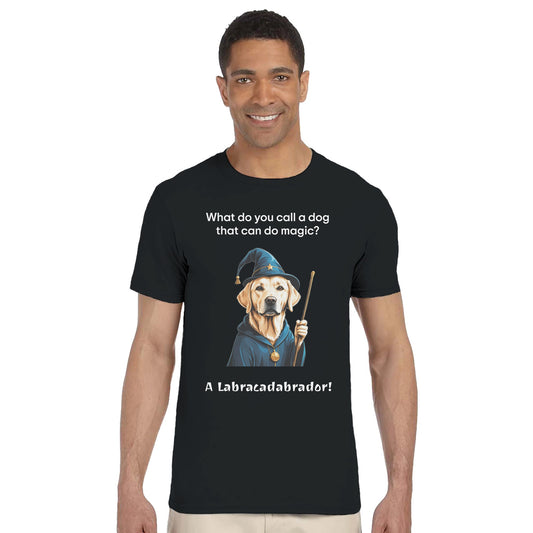
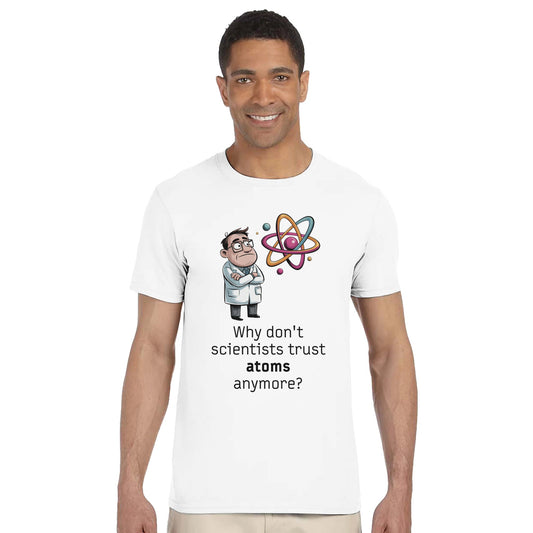
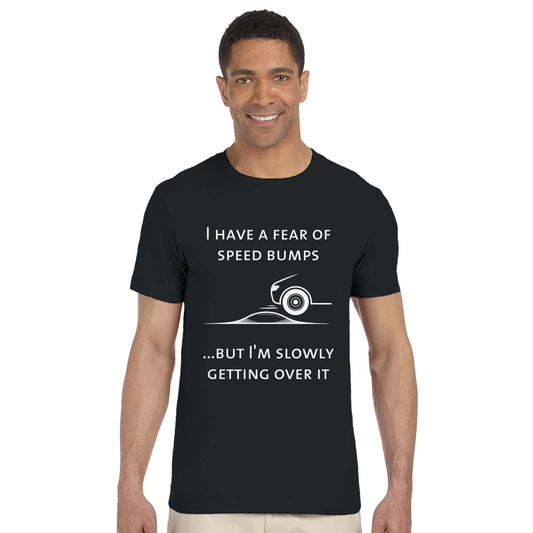
You know that look. The slow eye roll, the dramatic sigh, the mumbled "Dad, please." You'd think puns were invented specifically to torture modern teenagers. But here's the thing: people have been groaning at wordplay since before the pyramids had WiFi. (They still don't, by the way. Terrible coverage.)
Puns are ancient. Really ancient. And somehow, after 4,500 years, they haven't improved. That might be the point.
The First Puns Were Sacred (Seriously)
The oldest joke ever recorded is a Sumerian quip from around 1900 BCE about a young woman passing gas in her husband's lap. Not exactly Shakespeare, but it proves one thing: humans have always found bathroom humor hilarious. Some things never change.
But puns specifically? They show up in Mesopotamian religious texts around 2500 BCE. These weren't casual jokes. The ancients believed the sounds of words held genuine power, so matching sounds with meanings was considered spiritually significant. Wordplay wasn't entertainment. It was closer to magic.
The Egyptians took it further. Their entire writing system was basically one giant pun. Hieroglyphics relied heavily on homophones, and scribes used visual rebuses constantly, the same way we might use an image of an eye to represent the word "I." The Egyptian word for "soul" was "ba," which also meant "ram." That's why Egyptian art shows the soul as a human headed bird, and why rams appear throughout their spiritual imagery. It's not symbolism. It's a visual pun carved in stone for eternity.
Ancient Egypt: where puns got you promoted and probably also mummified.
Shakespeare Made It an Art Form
Fast forward a few thousand years, and William Shakespeare turned punning into something that literature professors still argue about at conferences. The man was relentless with his wordplay, and his most intelligent characters tend to be his greatest punsters. Hamlet, arguably Shakespeare's most cerebral creation, is also his most prolific joker.
Even his dying characters crack jokes. Mercutio, bleeding out in Romeo and Juliet after being stabbed, spends his final moments on wordplay. "Ask for me tomorrow," he tells his friends, "and you shall find me a grave man." That's a death pun. While dying. The man literally died as he lived: being too clever by half.
Shakespeare understood that puns work because they operate on two levels at once. Your brain has to hold multiple meanings simultaneously, which is either delightful or infuriating depending on who's listening. Usually both. He also understood something else: language is an equalizer. In Romeo and Juliet, servants and musicians trade puns just as cleverly as nobles. Wordplay belonged to everyone.
The Term "Dad Joke" Is Brand New
Here's something surprising: while puns are ancient, the phrase "dad joke" only showed up in 1987. On June 20th of that year, editor Jim Kalbaugh wrote a piece in Pennsylvania's Gettysburg Times with the headline "Don't Ban the 'Dad' Jokes; Preserve and Revere Them." He put quotes around "Dad" because the term was still unfamiliar to most readers. Merriam-Webster didn't officially add it to the dictionary until 2019.
But the concept? Ancient.
The oldest surviving joke book is a Greek text from around the 4th or 5th century called the Philogelos, which translates to "The Laughter Lover." It contains 265 jokes organized by stock characters: the absentminded scholar, the con man, the misanthrope, the witty commentator. Comedian Jimmy Carr has noted that some of these jokes are "strikingly similar" to modern ones. One has even been called an ancestor of Monty Python's Dead Parrot sketch. Same setups, same predictable punchlines, same energy as "Hi Hungry, I'm Dad." The jokes haven't evolved because they didn't need to.
What we call dad jokes are really just the stripped down, no pretense version of a tradition that predates basically everything.
Why We Groan (And Why That's the Point)
Neuroscientists have actually studied why puns make us groan. According to research published in Laterality, the left and right hemispheres of the brain play different roles in processing puns. The left hemisphere handles the linguistic setup, while the right hemisphere kicks in to analyze the punchline's double meaning. Your brain is literally working overtime.
But here's the interesting part: the groan isn't really annoyance. It's a conditioned response, almost reflexive. When you hear a pun, your brain processes multiple meanings at once. There's a tiny moment of confusion, then recognition, then the realization that you've been ambushed by something incredibly obvious. The groan is your acknowledgment that the pun worked, even though you refuse to admit it.
Research has found that puns are actually among the types of jokes most enjoyed by audiences, despite the evident desire to groan in response. These findings suggest groans in response to puns may be insincere, or even an indication of approval. The groan is basically applause filtered through embarrassment.
So next time someone groans at your joke, know that scientifically speaking, you won.
Why Puns Stick Around
Four and a half thousand years is a long time for any joke format to survive. Puns have outlasted empires, languages, and entire civilizations. Meanwhile, most internet memes are forgotten in a week.
The staying power comes from simplicity. Puns don't require context, cultural knowledge, or ironic detachment. They work the same way now as they did when pharaohs ruled Egypt. You hear the setup, you catch the double meaning, you groan. Done.
In a world where humor keeps getting more layered and complicated, puns offer something refreshing: no hidden meaning, no prerequisites, no risk. They're the humor equivalent of comfort food.
And for parents specifically, they serve a purpose. All those eye rolls? That's connection. The kids know the joke is bad. Dad knows they know. Everyone participates in this little ritual of affection dressed up as suffering. It's weirdly wholesome.
The Tradition Continues
So there you have it. The next time you deliver a perfectly terrible pun and watch someone's soul leave their body for a moment, remember: you're carrying on a tradition older than most religions. Egyptian scribes, Greek comedians, Shakespeare himself, they all did exactly what you're doing.
Except they didn't have t-shirts for it.
If you're ready to wear your wordplay on your sleeve (literally), check out our collection of pun themed gear. Because some jokes deserve to be seen, not just heard.
Know someone who'd appreciate 4,500 years of groan inducing history? Share this article with them.